Space technology shapes how humans explore, communicate, and understand the universe. From satellites orbiting Earth to rovers on Mars, these tools extend human reach beyond our planet. But what is space technology exactly, and why does it matter?
This guide explains space technology in clear terms. It covers the core definitions, major types of systems, and real-world applications that affect daily life. Whether someone wants to understand GPS navigation or follow the latest Mars mission, this article provides the foundation they need.
Table of Contents
ToggleKey Takeaways
- Space technology refers to equipment, systems, and techniques designed to explore outer space or operate in extreme space environments.
- Over 10,000 active satellites currently orbit Earth, providing essential services like GPS navigation, weather forecasting, and global internet connectivity.
- Reusable rockets from companies like SpaceX have significantly reduced launch costs, making space access more affordable for governments and private enterprises.
- Space technology impacts daily life through weather apps, television broadcasts, telemedicine, and innovations like memory foam and scratch-resistant lenses.
- NASA’s Artemis program and SpaceX’s Starship development are pushing toward human missions to the Moon and Mars within the next decade.
- Growing orbital debris from defunct satellites poses collision risks, making debris tracking and removal an increasingly critical area of space technology.
Defining Space Technology
Space technology refers to equipment, systems, and techniques used to explore outer space or operate in space environments. This includes hardware like rockets, satellites, and space stations. It also covers software, materials, and scientific methods designed for conditions beyond Earth’s atmosphere.
The term applies to anything built for launch, orbit, or deep space missions. Space technology serves multiple purposes: scientific research, national defense, commercial services, and human exploration. NASA, SpaceX, and international agencies develop space technology to push boundaries and solve problems on Earth.
What makes space technology distinct? It must withstand extreme conditions. Vacuum, radiation, temperature swings, and microgravity create engineering challenges found nowhere else. A satellite in orbit faces temperatures ranging from -250°F to 250°F. Spacecraft traveling to Mars endure months of cosmic radiation. These demands drive innovation across industries.
Space technology also connects closely with terrestrial applications. Weather forecasting, internet connectivity, and agricultural monitoring all rely on space-based systems. The technology developed for space often finds uses in medicine, transportation, and consumer electronics.
Key Types of Space Technology
Space technology encompasses several major categories. Each serves different functions in exploration, communication, and research.
Satellites and Communication Systems
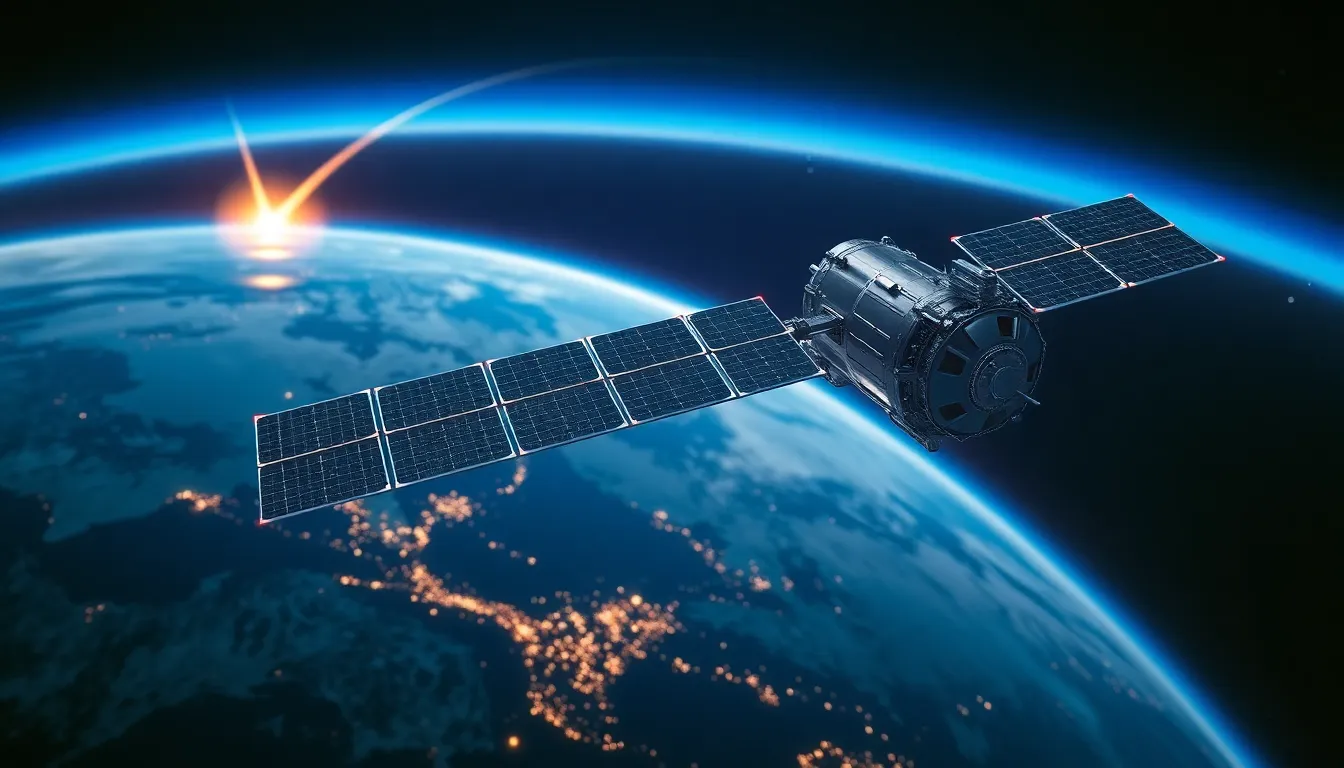
Satellites represent the most common form of space technology. These artificial objects orbit Earth and perform specific tasks. Communication satellites relay phone calls, television signals, and internet data across continents. GPS satellites provide location services to billions of devices worldwide.
Weather satellites monitor atmospheric conditions and help meteorologists predict storms. Earth observation satellites track deforestation, urban growth, and climate patterns. Military satellites support reconnaissance and secure communications.
As of 2024, over 10,000 active satellites orbit Earth. Companies like Starlink deploy thousands of small satellites to provide global broadband coverage. This growth in satellite technology has transformed how people access information and stay connected.
Spacecraft and Launch Vehicles
Spacecraft carry instruments, cargo, or humans beyond Earth’s atmosphere. Uncrewed spacecraft include probes, rovers, and orbiters. The Voyager probes, launched in 1977, continue transmitting data from interstellar space. The Perseverance rover explores Mars and searches for signs of ancient life.
Crewable spacecraft transport astronauts to destinations like the International Space Station. SpaceX’s Crew Dragon and Boeing’s Starliner represent modern crewed vehicles. These spacecraft must support human life with oxygen, temperature control, and radiation shielding.
Launch vehicles, rockets, provide the thrust needed to escape Earth’s gravity. Reusable rockets from SpaceX have reduced launch costs significantly. The Falcon 9 rocket lands vertically after delivering payloads to orbit. This innovation makes space access more affordable for governments and private companies alike.
How Space Technology Impacts Everyday Life
Space technology touches daily routines in ways people often overlook. GPS navigation relies on a constellation of 31 satellites maintained by the U.S. Space Force. Drivers, pilots, and shipping companies depend on this space technology for accurate positioning.
Weather apps pull data from geostationary and polar-orbiting satellites. These space-based sensors detect hurricanes days before landfall, saving lives and property. Farmers use satellite imagery to monitor crop health and optimize irrigation.
Television broadcasts, international phone calls, and internet services travel through communication satellites. Remote areas without ground-based infrastructure gain connectivity through satellite networks. Telemedicine programs in rural regions use this space technology to connect patients with specialists.
Space technology also drives scientific discovery. The Hubble Space Telescope has captured images of galaxies billions of light-years away. The James Webb Space Telescope, launched in 2021, studies the early universe and distant exoplanets. These observations expand human knowledge of cosmic origins.
Medical advances trace back to space research too. Memory foam, scratch-resistant lenses, and portable ultrasound devices originated from space programs. The demand for lightweight, durable materials in spacecraft led to innovations now found in hospitals and homes.
The Future of Space Technology
Space technology continues advancing at a rapid pace. Several trends will shape the coming decades.
Human missions to the Moon and Mars top agency priorities. NASA’s Artemis program aims to land astronauts on the lunar surface by 2026. SpaceX develops the Starship vehicle for eventual Mars colonization. These missions require new life support systems, habitats, and propulsion methods.
Private companies play larger roles in space technology development. Blue Origin, Rocket Lab, and dozens of startups compete for contracts and market share. This competition accelerates innovation and reduces costs.
Space tourism has become reality. Virgin Galactic and Blue Origin offer suborbital flights to paying customers. SpaceX plans orbital tourism missions that circle Earth for days. These ventures could make space experiences accessible to more people.
Satellite mega-constellations will expand internet coverage globally. Starlink already serves customers in remote locations. Competitors like Amazon’s Project Kuiper plan similar networks. This space technology could bridge the digital divide in developing regions.
Debris management presents a growing challenge. Thousands of defunct satellites and fragments pose collision risks. New space technology for tracking and removing debris will become essential as orbital traffic increases.