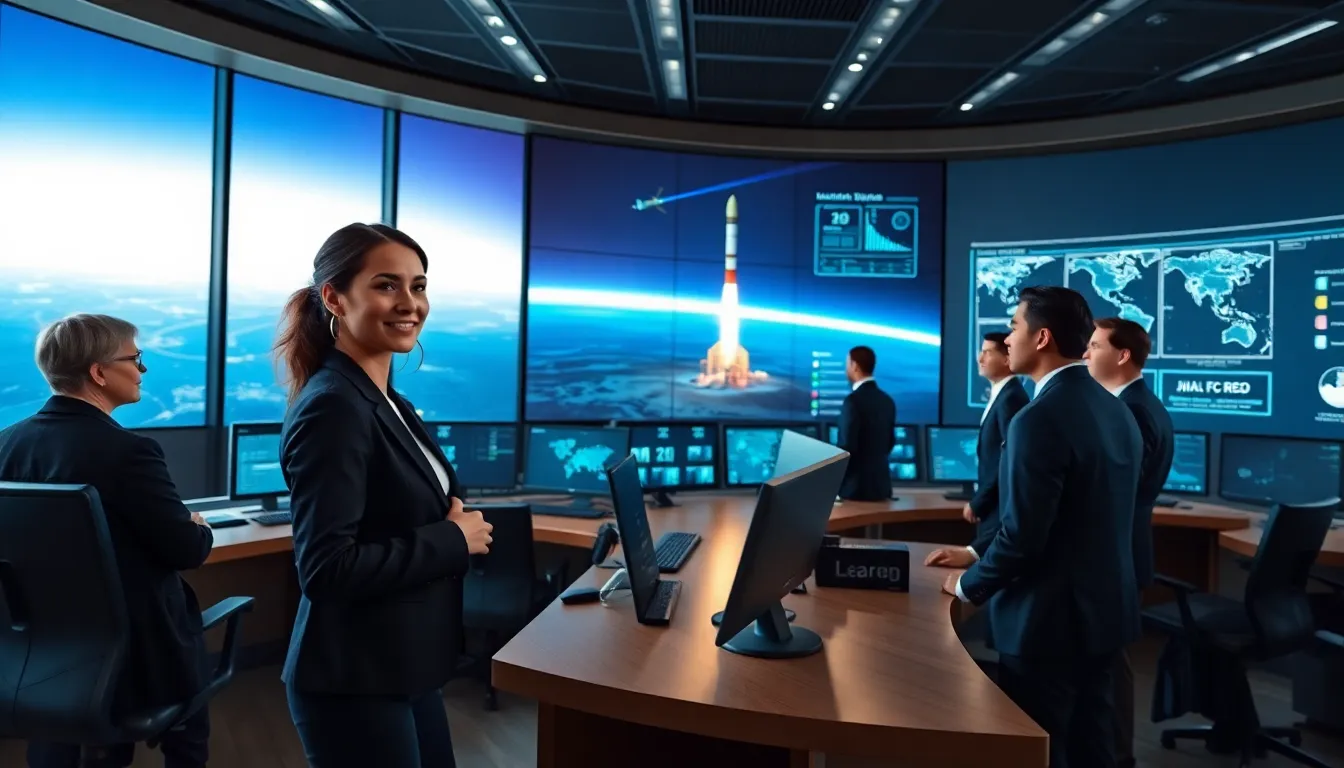

Space technology tips can transform curiosity into expertise. Whether someone tracks rocket launches from their backyard or designs satellite systems for a living, staying informed matters. The space industry has grown rapidly, with private companies now launching missions alongside government agencies. This shift creates opportunities for enthusiasts and professionals alike.
This article covers practical advice for understanding space tech fundamentals, following industry developments, getting involved in the field, and keeping up with new innovations. Readers will find actionable insights they can apply right away.
Table of Contents
ToggleKey Takeaways
- Understanding space technology basics—rockets, satellites, and space stations—helps you evaluate industry news and distinguish real breakthroughs from hype.
- Follow trusted sources like NASA, ESA, SpaceX, and space news outlets, and set up Google Alerts to stay informed without constant searching.
- Get involved through citizen science projects, amateur rocketry clubs, or CubeSat teams to gain hands-on space technology experience.
- The space industry offers diverse career paths beyond engineering, including project management, communications, law, and finance roles.
- Track emerging innovations like reusable rockets, in-space manufacturing, and space debris removal to stay ahead of industry trends.
- Subscribe to industry newsletters and attend conferences or webinars to access expert space technology tips and networking opportunities.
Understanding the Basics of Space Technology
Space technology includes the systems, equipment, and methods used for exploration beyond Earth’s atmosphere. Satellites, rockets, space stations, and probes all fall under this category. Understanding these basics helps people follow industry news with greater context.
Key Components of Space Tech
Rockets serve as the primary launch vehicles. They carry payloads, satellites, crew capsules, or supplies, into orbit. Propulsion systems use chemical fuels or, increasingly, electric ion engines for deep-space missions.
Satellites perform many functions. Communication satellites relay phone calls, internet signals, and television broadcasts. Earth observation satellites monitor weather patterns, track climate change, and support agriculture. GPS satellites help billions of people find their way daily.
Space stations like the International Space Station (ISS) provide platforms for scientific research. Astronauts conduct experiments in microgravity that aren’t possible on Earth.
Why These Basics Matter
People who understand these fundamentals can better evaluate space technology tips they encounter online. They can distinguish between genuine breakthroughs and marketing hype. They also gain vocabulary that makes technical articles and mission updates accessible.
For professionals, solid foundational knowledge supports career growth. Engineers, scientists, and business leaders in aerospace share a common language built on these concepts.
Essential Tips for Following Space Tech Developments
Keeping pace with space technology requires reliable sources and smart habits. Here are proven space technology tips for staying informed.
Follow Trusted Sources
NASA, ESA (European Space Agency), and JAXA (Japan Aerospace Exploration Agency) publish mission updates, research findings, and educational content. Private companies like SpaceX, Blue Origin, and Rocket Lab share launch schedules and technical details on their websites and social media channels.
Space news outlets like Space.com, Ars Technica’s space section, and SpaceNews provide professional coverage. They translate technical announcements into readable stories.
Set Up News Alerts
Google Alerts and similar tools send email notifications when specific keywords appear in news stories. Setting alerts for “space technology,” “rocket launch,” or specific mission names saves time. Users receive relevant updates without constantly searching.
Join Online Communities
Reddit’s r/space and r/spacex communities discuss launches, missions, and industry trends. Members share links, analyze technical data, and answer questions. Twitter/X hosts active space enthusiast communities where journalists, engineers, and fans interact directly.
Watch Live Launches
Nothing beats watching a rocket launch in real time. SpaceX, NASA, and other organizations stream launches on YouTube. These events build understanding of mission profiles, countdown procedures, and the excitement that drives the industry.
How to Get Involved in Space Technology
Many people want to move beyond passive observation. They want to contribute to space technology directly. Multiple pathways exist for different backgrounds and experience levels.
Educational Pathways
Aerospace engineering, physics, computer science, and mechanical engineering degrees prepare students for technical roles. Many universities offer specialized space systems programs. Online courses from platforms like Coursera, edX, and MIT OpenCourseWare provide accessible starting points.
Certifications in specific technologies, satellite communications, orbital mechanics, or systems engineering, add credentials for career changers.
Citizen Science Projects
NASA’s citizen science portal lists projects where volunteers contribute meaningfully. People classify galaxies, search for asteroids, or analyze Mars terrain photos. These projects produce real scientific data while teaching participants about space technology.
SETI@home and similar distributed computing projects let anyone donate computer processing power to search for signals from space.
Amateur Rocketry and CubeSats
Hobbyist rocket clubs exist in many regions. Members build and launch small rockets, learning propulsion and aerodynamics hands-on. Some clubs compete in national and international competitions.
University teams and amateur groups now build CubeSats, small, standardized satellites. Launch opportunities have become more affordable, making space access possible for dedicated amateurs.
Career Opportunities
The space industry employs more than just engineers. Companies need project managers, communications specialists, lawyers, financial analysts, and manufacturing technicians. SpaceX, Boeing, Lockheed Martin, and dozens of startups regularly post job openings. Government positions at NASA and the Space Force offer additional options.
Staying Updated on Emerging Space Innovations
Space technology advances quickly. New propulsion methods, materials, and mission architectures appear regularly. Staying current requires deliberate effort.
Track Key Innovation Areas
Reusable rockets have already transformed launch economics. SpaceX’s Falcon 9 lands and flies again, cutting costs dramatically. Competitors are developing their own reusable systems.
In-space manufacturing promises to produce materials and structures that can’t be made on Earth. Companies are testing 3D printing in microgravity and growing crystals for pharmaceutical research.
Space debris removal technologies are gaining attention. Several startups are developing systems to capture and deorbit defunct satellites before they become collision hazards.
Lunar and Mars exploration programs continue advancing. NASA’s Artemis program aims to return humans to the Moon. SpaceX’s Starship is designed for Mars missions.
Subscribe to Industry Newsletters
The Space Report, published by the Space Foundation, tracks commercial and government space activities. Payload Space offers daily briefings on industry news. These newsletters filter information and highlight what matters most.
Attend Conferences and Webinars
Space technology tips often emerge from industry events. The International Astronautical Congress, Space Symposium, and SmallSat Conference bring experts together. Many sessions are recorded and available online afterward.
Webinars from aerospace organizations and universities provide free learning opportunities. They cover specific technologies, mission updates, and career advice.