Apps trends 2026 will reshape how people interact with their devices. The mobile app industry continues to grow at a rapid pace, and next year promises significant shifts in technology, design, and user expectations. From AI-driven features to stronger privacy controls, developers and businesses must prepare for what’s coming.
This article explores the key apps trends 2026 will bring to the forefront. Whether someone builds apps or simply uses them daily, understanding these changes matters. The coming year will test old assumptions and reward those who adapt quickly.
Table of Contents
ToggleKey Takeaways
- Apps trends 2026 will be dominated by AI-powered personalization that adapts interfaces and recommendations to individual user behavior.
- Super apps combining multiple services into one platform will gain significant traction as users seek to reduce app fatigue.
- Privacy-first design and on-device processing will become standard practice, driven by user demand and evolving regulations.
- Augmented reality and spatial computing will move beyond gaming into productivity, education, and everyday app experiences.
- Sustainability and digital wellness features will shape app development, with users favoring apps that respect their time and environmental impact.
- Developers who invest early in cross-platform integration and adaptive experiences will capture the most engaged audiences in 2026.
AI-Powered Personalization Takes Center Stage
Artificial intelligence will drive the most visible apps trends 2026 has to offer. Users now expect apps to understand their preferences without constant manual input. Machine learning algorithms analyze behavior patterns and deliver content, recommendations, and interfaces that feel custom-built for each person.
Several major platforms already use AI to predict what users want before they ask. In 2026, this capability will expand dramatically. Apps will adjust their layouts based on usage habits. They’ll suggest actions at the right moment, like ordering coffee during a morning commute or playing a workout playlist at gym time.
Chatbots and virtual assistants will become smarter too. Natural language processing improvements mean apps can hold more natural conversations. Customer service bots will resolve issues faster. Personal productivity apps will act like digital assistants who actually understand context.
For developers, integrating AI won’t be optional much longer. Users will abandon apps that feel generic or require too much effort to configure. The apps trends 2026 brings will favor those who invest in smart, adaptive experiences.
The Rise of Super Apps and Cross-Platform Integration
Super apps combine multiple services into a single platform. Think messaging, payments, shopping, and ride-hailing all in one place. This model, popular in Asia for years, will gain serious traction in Western markets throughout 2026.
Why does this matter? Users experience app fatigue. The average smartphone holds dozens of apps, but people actively use only a handful. Super apps reduce friction by keeping users within one ecosystem. They spend less time switching between platforms and more time getting things done.
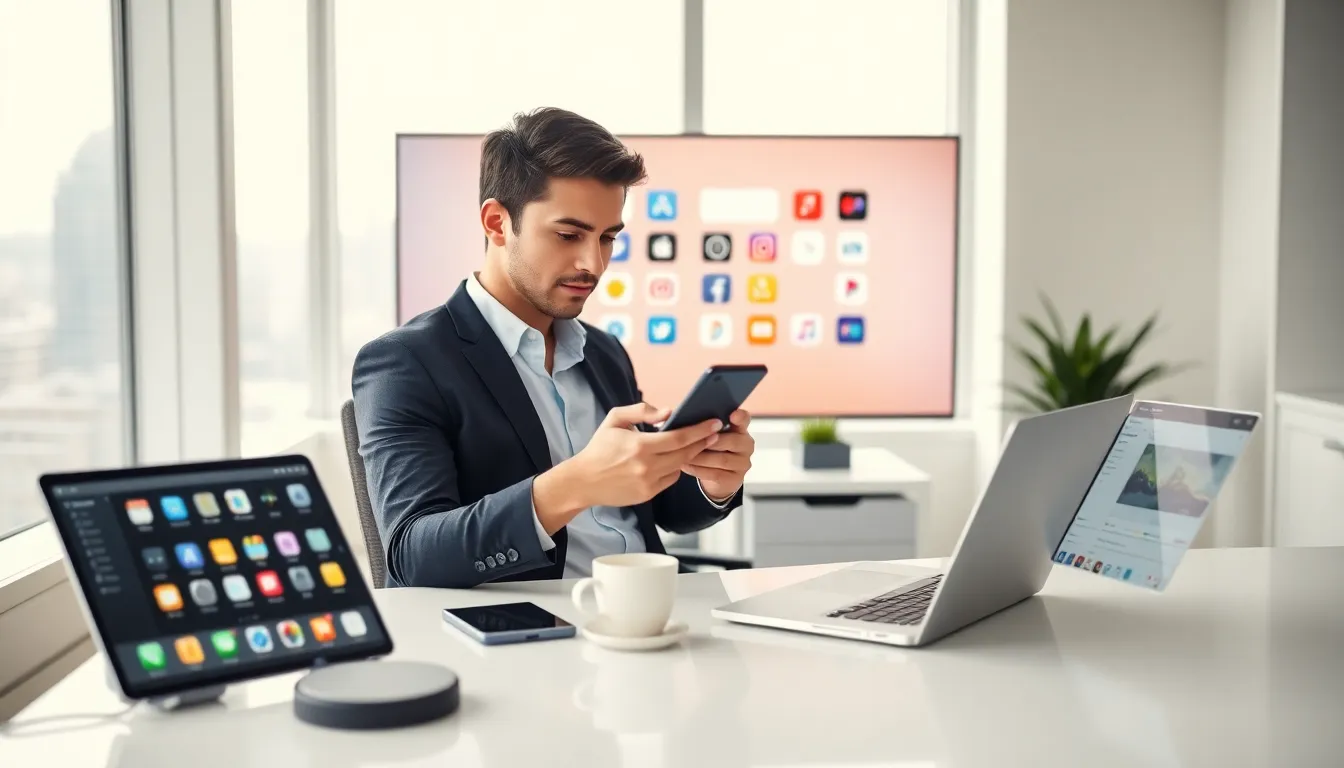
Cross-platform integration will also define apps trends 2026 brings forward. Users want seamless transitions between their phones, tablets, laptops, and wearables. An app that works beautifully on iOS should function equally well on Android, Windows, and web browsers.
Companies like Apple, Google, and Microsoft continue pushing their ecosystems. But third-party developers who build cross-platform experiences will capture users frustrated by platform lock-in. Progressive web apps and frameworks like Flutter make this easier than ever.
The apps trends 2026 will reward are those that meet users wherever they are, on whatever device they’re using.
Enhanced Privacy Features and User Data Control
Privacy concerns shape apps trends 2026 in powerful ways. Users have grown skeptical about how companies handle their data. High-profile breaches and regulatory changes have shifted expectations.
Apple’s App Tracking Transparency already forced major changes in advertising. Google plans similar restrictions for Android. In 2026, expect privacy-first design to become standard practice rather than a selling point.
Users will demand clearer explanations of what data apps collect and why. Consent flows will need to be straightforward, no more dark patterns or confusing opt-out processes. Apps that respect user choices will build trust and loyalty.
On-device processing represents another key shift. Instead of sending data to remote servers, apps will perform more computations locally. This keeps sensitive information on the user’s device. Face recognition, voice processing, and health data analysis can happen without leaving the phone.
Regulations like GDPR and state-level privacy laws in the U.S. continue evolving. Developers who treat privacy as a core feature, not an afterthought, will stay ahead of apps trends 2026 demands.
Immersive Experiences Through AR and Spatial Computing
Augmented reality moves from novelty to necessity in 2026. AR features already appear in shopping apps, games, and navigation tools. But the technology is maturing fast.
Apple’s Vision Pro and competing devices from Meta and others push spatial computing forward. Apps will increasingly blend digital elements with physical surroundings. Imagine reviewing furniture placement in a living room before buying, or following AR directions overlaid on actual streets.
Gaming leads this charge, but productivity apps will follow. Virtual meetings could take place in shared 3D spaces. Training applications will simulate real-world scenarios. Education apps will let students explore historical sites or scientific concepts in immersive ways.
The apps trends 2026 introduces will require developers to think beyond flat screens. Building for spatial computing means considering depth, movement, and physical context. Early adopters in this space will establish strong positions before AR becomes mainstream.
Not every app needs AR features. But those that do carry out them well will stand out in crowded categories.
Sustainability and Digital Wellness in App Design
Environmental awareness influences apps trends 2026 will highlight. Users care about the carbon footprint of their digital habits. Data centers consume enormous energy, and inefficient apps contribute to the problem.
Developers will optimize code to reduce server loads and battery drain. Dark mode options save energy on OLED screens. Lighter app packages mean faster downloads and less storage waste. These choices add up across millions of users.
Digital wellness features will also expand. Screen time tracking exists on most phones now, but apps themselves will take more responsibility. Social media platforms face pressure to reduce addictive design patterns. Notification management will become more sophisticated.
Apps that help users achieve goals without hijacking their attention will earn loyalty. Features like usage reminders, focus modes, and mindful design elements signal that developers respect their users’ time.
The apps trends 2026 favors will balance engagement with well-being. Companies that pursue endless scrolling at any cost may face backlash from users and regulators alike.