
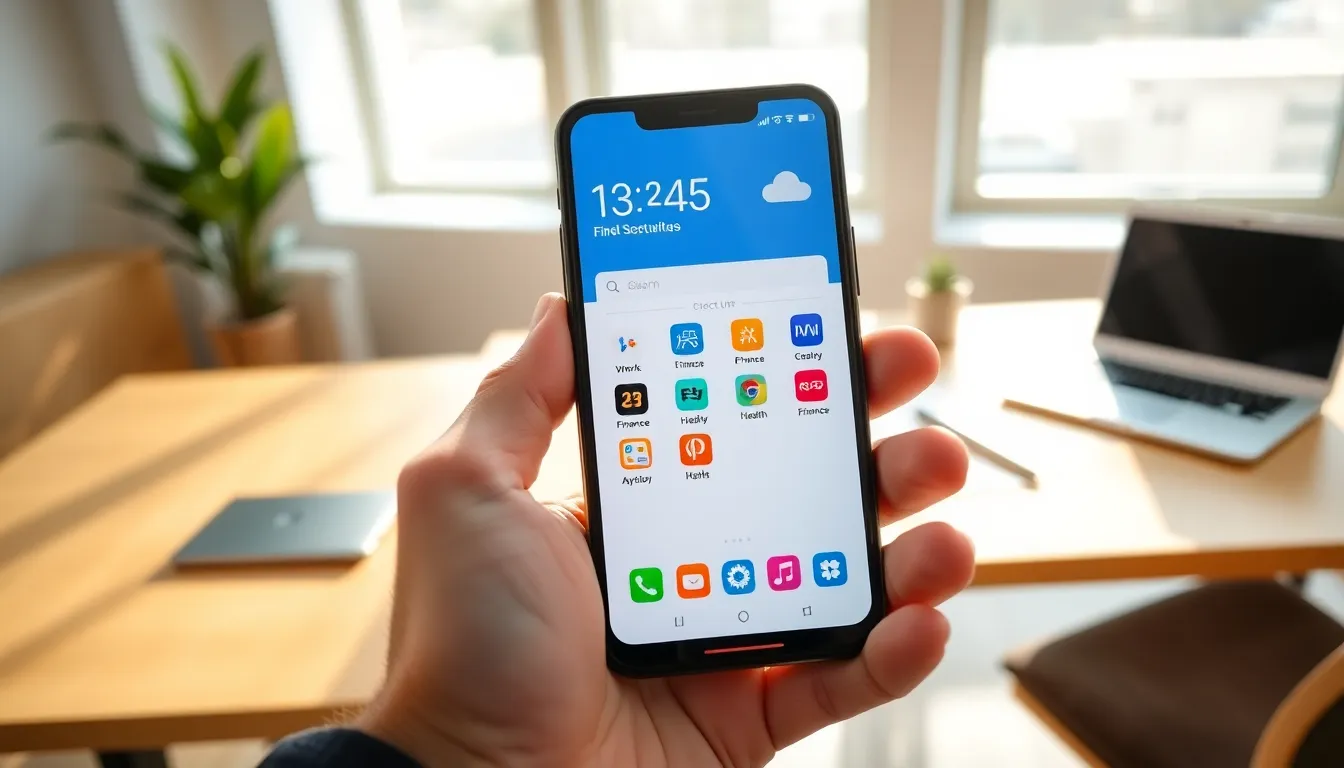
Apps tips can transform how people use their smartphones and tablets every day. The average person has over 80 apps installed on their device, yet most only use about 9 apps daily. That gap represents wasted storage, cluttered screens, and missed opportunities.
Smart app management does more than free up space. It creates a faster, more focused digital experience. Users who optimize their app setup report less screen time, fewer distractions, and greater satisfaction with their devices.
This guide covers practical apps tips that anyone can apply today. From organizing home screens to protecting privacy, these strategies help users get more value from every download.
Table of Contents
ToggleKey Takeaways
- Organize your home screen by grouping apps into functional folders and placing your most-used apps within thumb reach to save time.
- Turn off non-essential notifications and use scheduled summaries to reduce distractions and reclaim productive hours.
- Master built-in shortcuts like long-press quick actions, gestures, and voice commands to use your apps more efficiently.
- Regularly update and declutter your apps by deleting anything unused for 30+ days and enabling automatic updates for security.
- Audit app permissions quarterly and revoke access that doesn’t match an app’s core function to protect your privacy.
- These practical apps tips help you get more value from every download while creating a faster, more focused digital experience.
Organize Your Home Screen for Quick Access
A cluttered home screen wastes time. Users spend an average of 23 minutes per day searching for apps. Good apps tips start with smart organization.
Group apps by function, not by when they were downloaded. Create folders for categories like “Work,” “Social,” “Finance,” and “Health.” This simple change cuts search time dramatically.
Place the most-used apps within thumb reach. On most phones, this means the bottom third of the screen. The apps people open 10+ times daily deserve prime real estate.
Consider using widgets instead of app icons for frequently checked information. Weather, calendars, and task lists work well as widgets. Users see the data without opening anything.
Many devices now offer app libraries or drawers that hide rarely used apps. Take advantage of these features. Keep only essential apps on the main screens. Everything else can live in the library, searchable when needed.
Review the home screen layout monthly. Usage patterns change. Apps tips that worked last month might need adjustment as priorities shift.
Master Notification Settings to Reduce Distractions
Notifications interrupt focus more than most people realize. Research shows it takes 23 minutes to fully refocus after a single interruption. Apps tips for notification management can reclaim hours of productive time.
Start by auditing current notification settings. Go to the device settings and review which apps can send alerts. Most users find apps they forgot they had, all demanding attention.
Turn off notifications for apps that don’t require immediate response. Social media, games, and shopping apps rarely need real-time alerts. Check them on a schedule instead.
Use notification grouping or summary features when available. Both iOS and Android now offer options to bundle less urgent notifications and deliver them at set times. This keeps users informed without constant buzzing.
Set “Do Not Disturb” schedules for focus time. Most devices allow exceptions for calls from specific contacts. This ensures truly important communications still get through.
Consider notification channels for apps that offer them. Some apps let users enable alerts for direct messages while disabling alerts for likes or comments. Fine-tuning these apps tips creates a personalized, less noisy experience.
Take Advantage of Built-In Shortcuts and Gestures
Most smartphone users only scratch the surface of what their apps can do. Built-in shortcuts and gestures save significant time once learned. These apps tips separate casual users from power users.
Long-press app icons to access quick actions. Most apps offer shortcuts to common tasks. Users can start a new message, take a selfie, or create a note without opening the full app first.
Learn gesture controls for frequently used apps. Swiping, pinching, and double-tapping often trigger useful functions. Email apps typically support swipe-to-archive or swipe-to-delete. Photo apps respond to pinch gestures for zoom.
Explore keyboard shortcuts if using a tablet with an external keyboard. Productivity apps often mirror desktop shortcut conventions. Pressing Command+N or Ctrl+N typically creates new items.
Set up automation where possible. Both major mobile platforms support automated routines. Users can configure their phones to enable “Do Not Disturb” when arriving at work, or to open a specific playlist when connecting headphones.
Voice assistants provide another shortcut layer. “Hey Siri, add milk to my grocery list” or “OK Google, set a timer for 15 minutes” work faster than manual input. These apps tips become second nature with practice.
Regularly Update and Declutter Your Apps
Outdated apps pose security risks and performance problems. Apps tips for maintenance keep devices running smoothly.
Enable automatic updates when possible. Developers release patches for security vulnerabilities, and delays in updating create exposure windows. Most app stores offer automatic update settings that download new versions on Wi-Fi.
Review installed apps quarterly. Delete anything unused for 30+ days. Be honest during this review. That language learning app from January? If nobody’s touched it since, it should go.
Check app storage consumption in device settings. Some apps accumulate cache data that slows performance. Clearing the cache periodically frees space without losing important data.
Watch for apps that drain battery or use excessive data. Both iOS and Android provide usage statistics in settings. Apps consuming resources while sitting idle deserve investigation or deletion.
Before installing new apps, check reviews and developer reputation. Not every app deserves space on a device. Quality matters more than quantity. These apps tips prevent future clutter before it starts.
Protect Your Privacy With App Permissions
Apps request permissions they don’t always need. Smart apps tips include regular permission audits.
Review what permissions each app holds. Does a flashlight app need access to contacts? Does a calculator need location data? If the permission doesn’t match the app’s core function, revoke it.
Choose “Allow Once” or “While Using” options instead of “Always Allow” for location permissions. This limits tracking to active use rather than constant monitoring.
Disable camera and microphone access for apps that don’t genuinely need them. Many apps request these permissions “just in case” rather than for essential features.
Check which apps access photos. Grant access only to specific photos rather than the entire library when the device offers that option. This limits exposure if an app has security issues.
Review app privacy labels before downloading. Both major app stores now display data collection summaries. These labels reveal what information apps gather and whether they share it with third parties.
Consider using privacy-focused alternatives for sensitive tasks. Some browsers, email clients, and messaging apps prioritize user privacy over data collection. These apps tips help users maintain control over personal information.