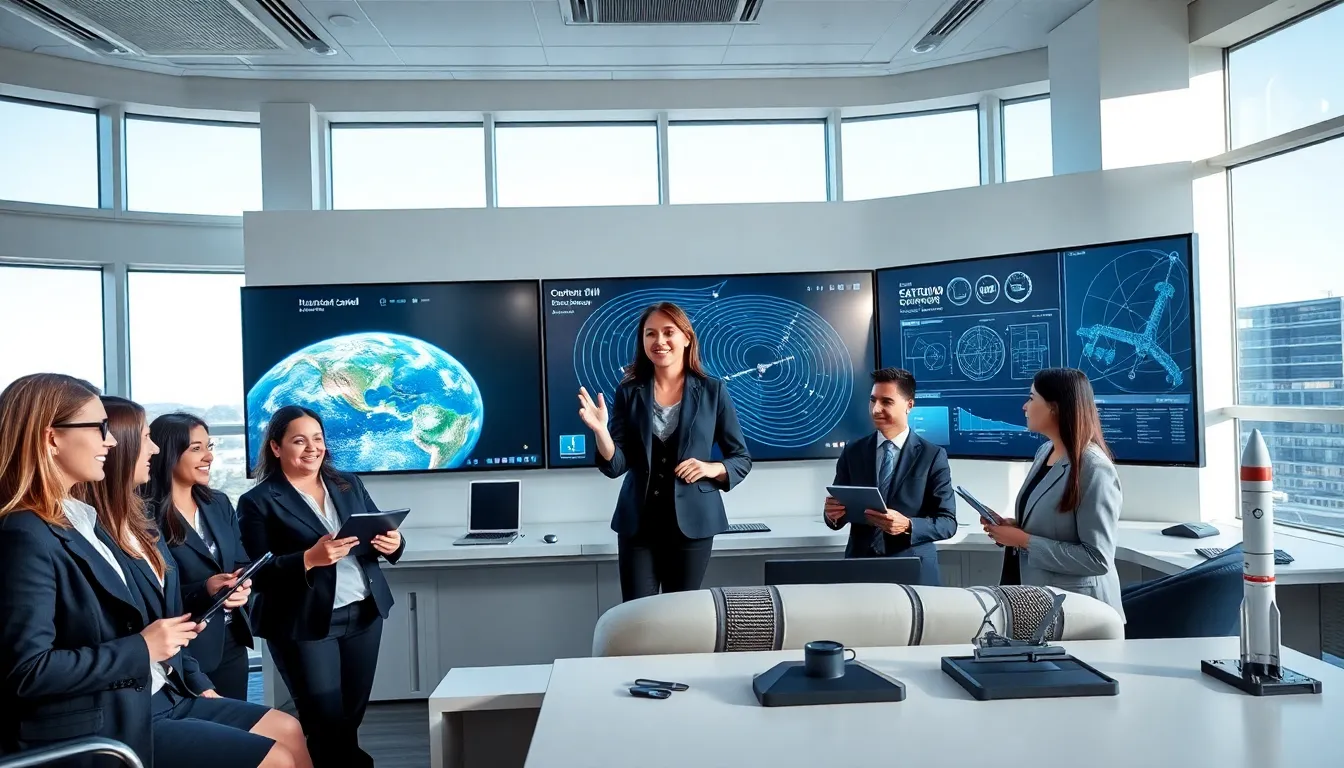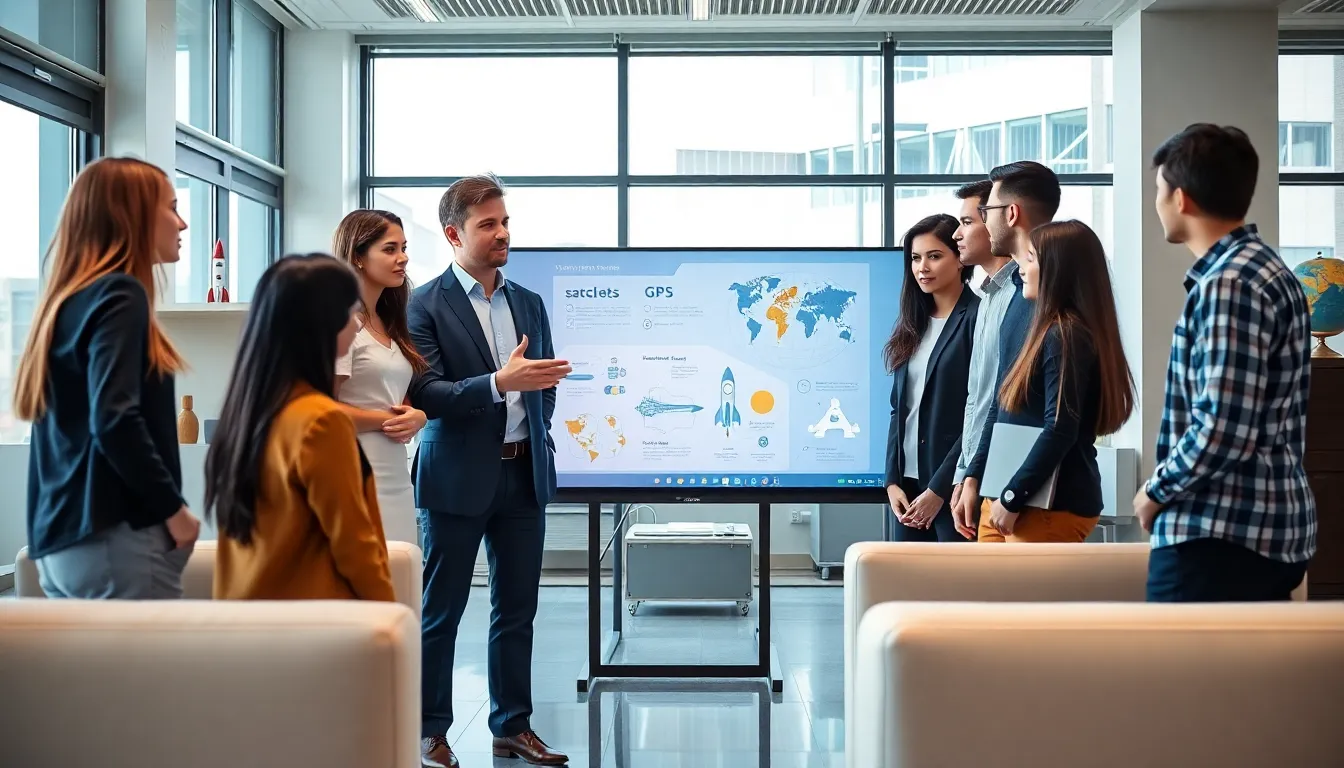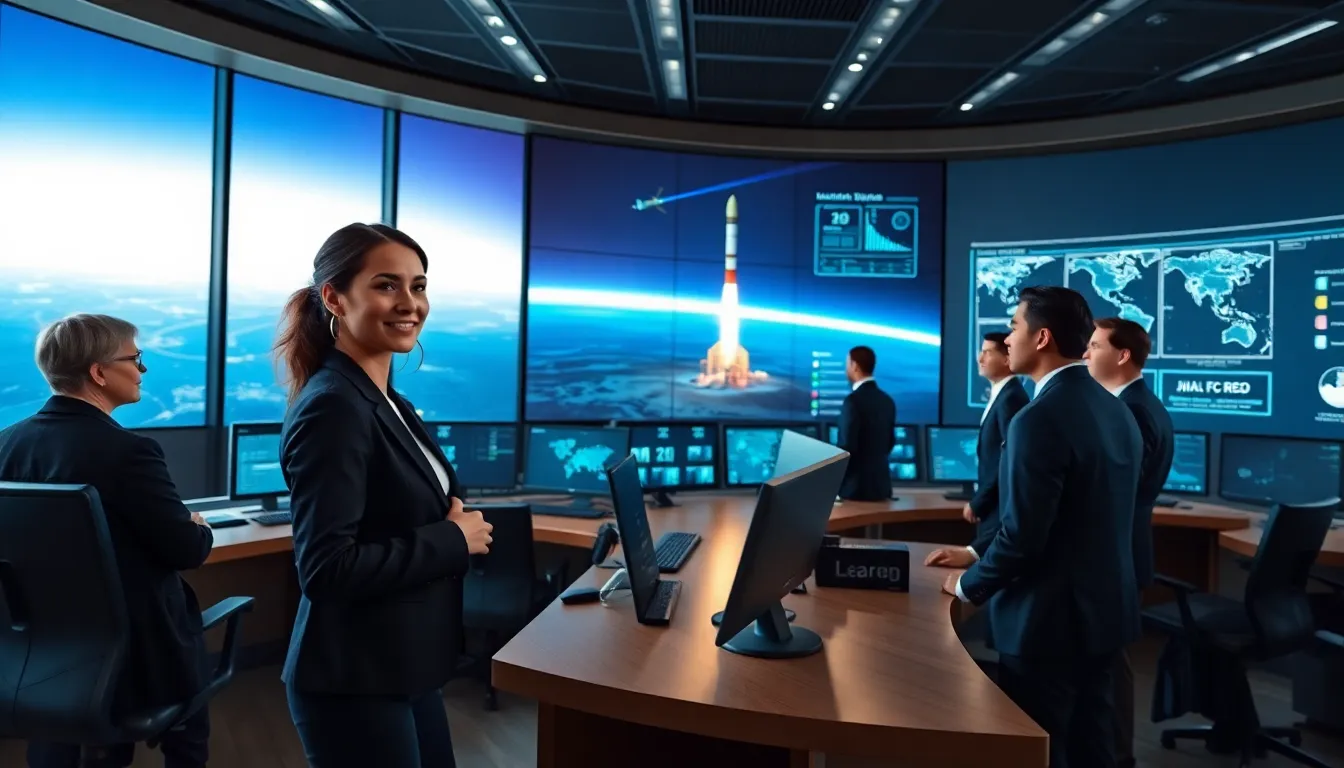

Space technology tools have transformed how humans explore the universe. These innovations range from satellites orbiting Earth to rovers rolling across Mars. Every mission depends on specialized equipment designed to survive extreme conditions and deliver critical data.
The space industry now develops tools that push scientific boundaries further each year. Agencies like NASA, ESA, and private companies like SpaceX invest billions in creating better space technology tools. Their work enables everything from GPS navigation to deep space exploration.
This article examines the key categories of space technology tools driving modern missions. Readers will learn about satellite systems, robotic explorers, life support equipment, and propulsion technologies. Each section explains how these tools work and why they matter for humanity’s future in space.
Table of Contents
ToggleKey Takeaways
- Space technology tools encompass satellites, rovers, life support systems, and propulsion technologies that enable everything from GPS navigation to deep space exploration.
- Over 7,500 active satellites currently orbit Earth, performing critical tasks like weather forecasting, internet connectivity, and climate monitoring.
- Mars rovers like Perseverance use autonomous navigation systems to operate independently due to communication delays of up to 24 minutes between Earth and Mars.
- Life support systems on the International Space Station recycle approximately 90% of water and generate oxygen through electrolysis, reducing resupply mission costs.
- Reusable rocket technology from companies like SpaceX has reduced launch costs from hundreds of millions to tens of millions of dollars per mission.
- Advanced propulsion methods including ion thrusters and nuclear thermal propulsion represent the next generation of space technology tools for deep space missions.
Satellite Systems and Communication Tools
Satellites represent some of the most important space technology tools in operation today. Over 7,500 active satellites currently orbit Earth, performing tasks that affect daily life. They enable weather forecasting, internet connectivity, military surveillance, and scientific research.
Communication satellites form the backbone of global telecommunications. Geostationary satellites hover 35,786 kilometers above Earth’s equator. They relay phone calls, television broadcasts, and internet data across continents. Companies like Starlink have launched thousands of low-Earth orbit satellites to provide broadband internet to remote areas.
Earth observation satellites capture images and data about our planet. These space technology tools monitor climate change, track deforestation, and help farmers optimize crop yields. The Landsat program has provided continuous Earth imagery since 1972. Modern sensors can detect objects as small as 30 centimeters from orbit.
Ground Control and Tracking Systems
Satellites require ground-based space technology tools to function effectively. Control centers send commands and receive telemetry data through large dish antennas. The Deep Space Network operates three facilities positioned around the globe. This arrangement ensures constant communication with spacecraft anywhere in the solar system.
GPS satellites demonstrate how space technology tools integrate with ground systems. Thirty-one satellites broadcast timing signals that receivers use to calculate positions. This technology guides aircraft, ships, and the smartphone in your pocket. Military applications include precision-guided munitions and troop coordination.
Robotic Exploration and Rover Technology
Robotic explorers extend humanity’s reach to places astronauts cannot yet visit. These space technology tools investigate planets, moons, and asteroids without risking human lives. They gather samples, photograph surfaces, and transmit findings back to Earth.
Mars rovers showcase the sophistication of modern space technology tools. NASA’s Perseverance rover landed in February 2021 and continues operating on the Red Planet. It carries 23 cameras, two microphones, and a drill for collecting rock samples. The rover’s Ingenuity helicopter completed the first powered flight on another world.
Rovers face significant engineering challenges. They must survive temperature swings from -125°C to 20°C on Mars. Dust storms can block solar panels and reduce power generation. Curiosity solved this problem by using a nuclear power source called a radioisotope thermoelectric generator.
Autonomous Navigation Systems
Communication delays make real-time control of distant space technology tools impossible. A signal takes between 4 and 24 minutes to travel from Earth to Mars. Rovers hence need autonomous systems to avoid obstacles and plan routes.
Perseverance uses stereo cameras and hazard-avoidance software to drive itself. Its AutoNav system processes terrain images and selects safe paths forward. This technology allows the rover to cover more ground than earlier missions that required constant human guidance. Future space technology tools will need even greater autonomy for missions to Europa, Titan, and beyond.
Life Support and Habitat Systems
Human space exploration depends on life support systems that create survivable environments. These space technology tools provide air, water, food, and protection from radiation. The International Space Station demonstrates current capabilities in this field.
The ISS Environmental Control and Life Support System recycles most of the station’s water and oxygen. Astronauts’ sweat and breath moisture get collected and purified. The system recovers about 90% of water through condensation and filtration. This recycling reduces the mass that resupply missions must carry to orbit.
Atmosphere management represents another critical function of these space technology tools. Carbon dioxide scrubbers remove exhaled CO2 from cabin air. Oxygen generators split water molecules through electrolysis to produce breathable air. Trace contaminant control systems filter out harmful chemicals that accumulate in enclosed spaces.
Radiation Protection Technology
Space radiation poses serious health risks to astronauts. Cosmic rays and solar particle events can damage DNA and increase cancer risk. Current space technology tools provide limited protection against these hazards.
The ISS uses the Earth’s magnetic field for partial shielding. Astronauts retreat to better-protected areas during solar flares. Future missions to Mars will need improved space technology tools for radiation protection. Researchers are testing water walls, polyethylene panels, and magnetic shielding concepts. Some designs incorporate hydrogen-rich materials that block radiation more effectively than metal.
Launch and Propulsion Technologies
Getting spacecraft off Earth requires tremendous energy and precise engineering. Launch vehicles are space technology tools that accelerate payloads to orbital velocities exceeding 28,000 kilometers per hour. The rocket equation governs how much fuel each mission needs.
Chemical rockets remain the primary launch method today. SpaceX’s Falcon 9 uses kerosene and liquid oxygen to power its Merlin engines. The company revolutionized the industry by landing and reusing first-stage boosters. This innovation cut launch costs from hundreds of millions to tens of millions of dollars per mission.
Heavy-lift rockets enable ambitious deep space missions. NASA’s Space Launch System can carry 95 metric tons to low Earth orbit. SpaceX’s Starship aims to surpass that capacity while remaining fully reusable. These space technology tools will support crewed missions to the Moon and Mars.
Advanced Propulsion Methods
Beyond chemical rockets, engineers develop alternative propulsion space technology tools for different applications. Ion thrusters accelerate charged particles to generate thrust. They produce less force than chemical engines but operate for months or years. NASA’s Dawn spacecraft used ion propulsion to visit the asteroids Vesta and Ceres.
Nuclear thermal propulsion could dramatically shorten travel times to Mars. These systems heat propellant using a nuclear reactor, achieving higher efficiency than chemical rockets. NASA and DARPA are collaborating on the DRACO program to demonstrate this technology by 2027. Solar sails represent another option, using light pressure for propulsion without fuel.